
Preparing for a visit
How to prepare for your pet’s first clinic visit
A calm, practical checklist for records, medicines, transport and the observations that help a first consultation.
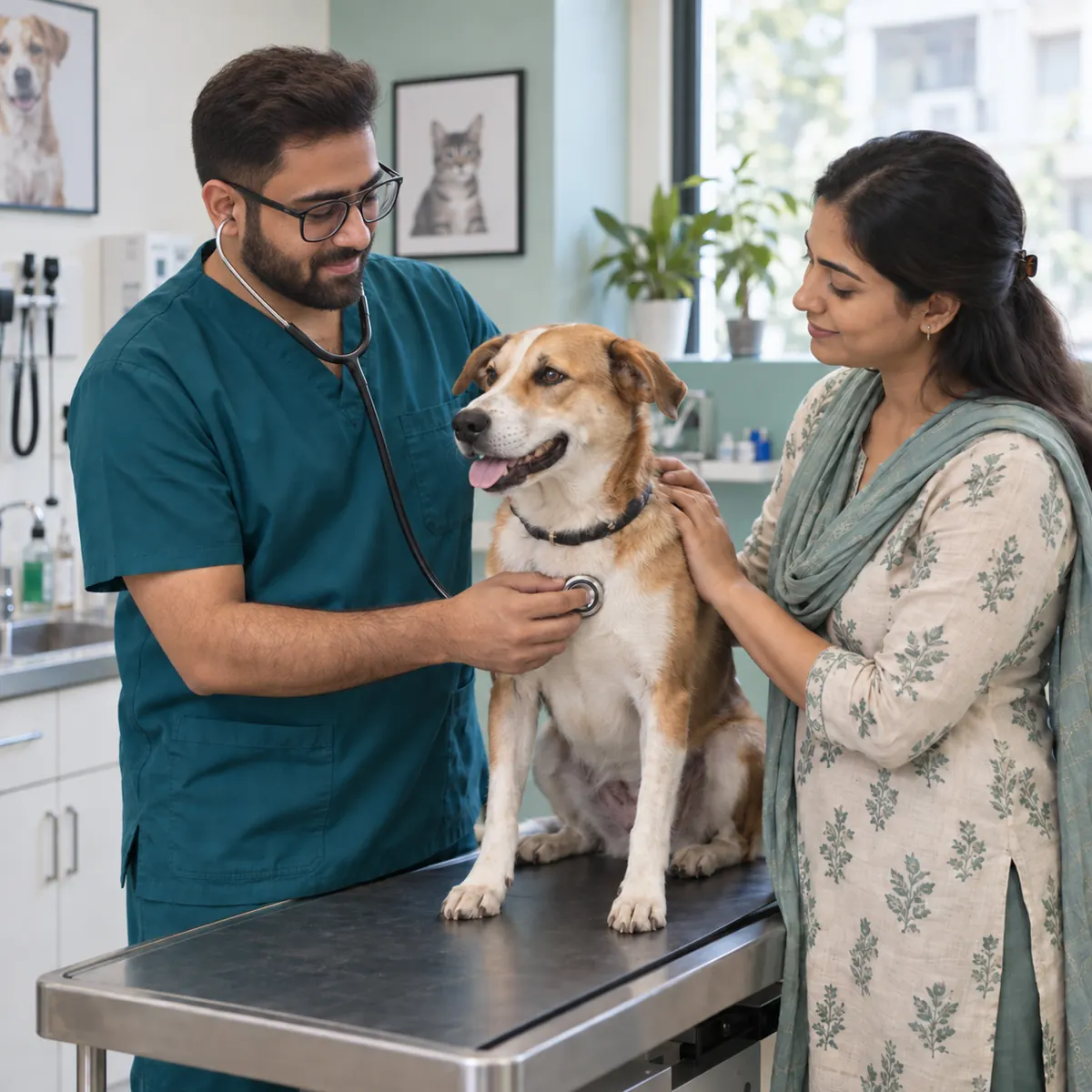
Start with the story, not just the symptom
Write down when you first noticed the concern, whether it is changing, and what makes it better or worse. Short notes about appetite, drinking, sleep, activity, toileting and behaviour can help you remember details during the visit.
Bring useful records
- Vaccination and deworming cards
- Earlier prescriptions and discharge notes
- Laboratory or imaging reports
- Names or photos of current medicines, supplements and parasite products
- A short diet history, including treats and recent changes
If a record is on your phone, make sure the image or document opens before you arrive.
Make travel safer and calmer
Use a secure carrier for cats, rabbits and small pets. Dogs should arrive on a reliable lead. Bring a familiar towel if it helps your pet settle. Tell the clinic in advance if your pet becomes very fearful around animals or handling so arrival can be planned more thoughtfully.
Do not change routine without instructions
Do not fast your pet, stop a prescribed medicine or give a new medicine unless the clinic has provided case-specific instructions. If you are unsure, call before the appointment.
Choose your most important questions
Put the most urgent two or three questions at the top of your list. A focused list helps the consultation cover what matters and makes the next steps easier to understand.
This guide is for visit preparation and does not replace veterinary assessment. If your pet may be in immediate danger, seek urgent veterinary help rather than waiting for an online appointment.